
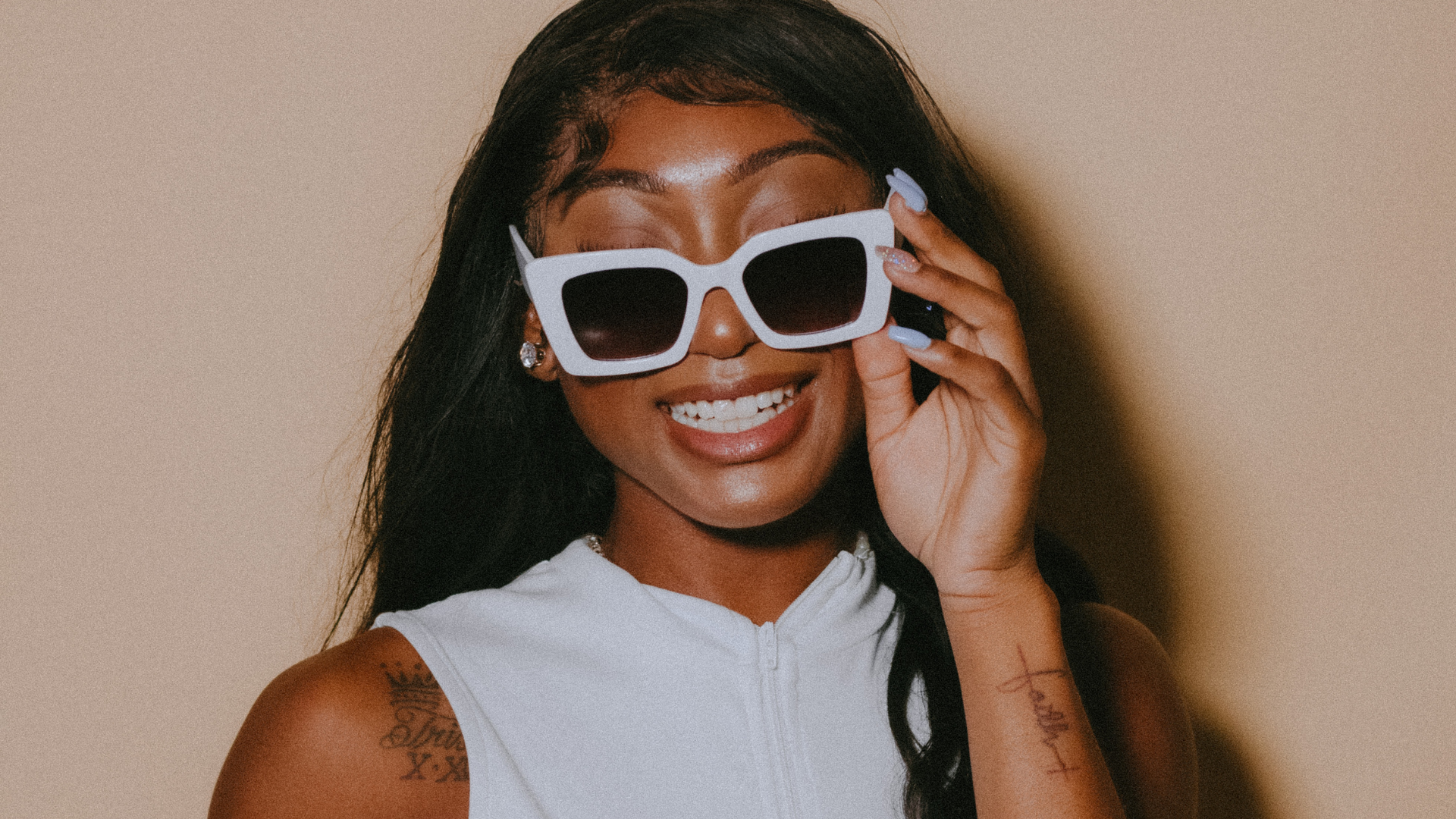

It used to be simple: podcasts were about topics. You’d pick a niche: news, comedy, wellness and talk about it. Now? Podcasts are about people.
In 2025, the mic has become the modern mirror. Podcasters aren’t just hosts anymore – they’re the brand, the business, and sometimes the product. The audience doesn’t just tune in for what you say; they tune in because it’s you saying it.
So how did we get here, and what does it mean for creators trying to stand out (and cash in) in an already loud space?
Let’s break it down.
1. Personality Is the New Production Value
Once upon a time, podcasting success was about clean audio and good storytelling. But in the age of TikTok snippets, personality now drives discoverability.
Think about shows like Call Her Daddy, Diary of a CEO, or On Purpose with Jay Shetty. Sure, they’re polished, but what really keeps people listening is who they’re listening to. You’re not just tuning into an episode, you’re entering someone’s world.
Listeners want to feel like they’re hanging out with a friend who just happens to have great sound quality and better advice. That connection builds loyalty faster than any ad campaign.
If you’re starting or rebranding your show, ask yourself: what’s the experience of me? Am I funny? Direct? Empathetic? Nerdy in the best way? That tone, not just the topic, is what sticks.
2. The Creator Economy Changed the Game
The rise of the creator economy blurred every line. You’re no longer just a podcaster, you’re a marketer, storyteller, community manager, and sometimes an accidental influencer.
Brands have noticed. They’re not just partnering with shows that have big download numbers, they’re partnering with hosts who embody a lifestyle.
Why? Because trust sells. Listeners believe the host before they believe a billboard. A niche podcaster with a loyal 10k audience can drive more conversions than a celebrity with a million passive followers.
That’s why you’re seeing podcasters launching merch, live events, online courses, and even skincare lines. They’ve realized their show isn’t the end productm it’s the engine.
Your voice builds trust; your brand builds business.
3. The Rise of the “Podcast Persona”
Every creator has one. The slightly more confident, funnier, or sharper version of yourself that shows up behind the mic. It’s not fake — it’s focused.
That’s what turns a host into a brand. You start to develop a rhythm, a recognizable way of speaking, even a visual identity that follows you from Spotify to YouTube to TikTok.
Listeners come to associate certain phrases, tones, or even laughter patterns with your personality. That familiarity = brand recall.
If you’re building your podcast into a personal brand, consistency is everything. Keep your visuals, tone, and energy aligned across platforms. If someone finds you on Instagram, they should immediately recognize that same vibe when they hear you on Spotify.
4. From Host to Headliner
Here’s where it gets fun: once your name becomes a brand, doors open. The industry is full of podcasters who started small and ended up headlining conferences, writing books, or landing brand deals.
Emma Chamberlain’s Anything Goes is a great example. It’s not a podcast about lifestyle; it is the lifestyle. Her voice, humor, and tone are the brand, and that authenticity has built an empire.
In Africa and emerging markets, creators like The Journey Kwame and Mantalk.ke are doing the same, using podcasts to show their personality, values, and vision. The show becomes a stage; the host becomes the headline act.
5. Monetization Is Evolving and It’s Personal
The traditional podcast ad model (insert sponsor clip, collect a check) is still around, but personal branding has unlocked new streams. Podcasters are now:
- Selling digital products or online classes based on their niche.
- Launching Patreon or membership communities.
- Creating podcast-inspired newsletters or YouTube spin-offs.
- Partnering directly with brands they genuinely use.
It’s less about “monetize your audience” and more about “monetize your influence.” The stronger your personal brand, the more leverage you have, whether that’s negotiating rates or launching your own ventures.
6. Authenticity Still Wins
All of this only works if it’s real. Audiences can smell performative “branding” a mile away. The reason personal-brand podcasts work is because they feel like real conversations, not corporate scripts.
You can be strategic without being inauthentic. You can plan your visuals, tone, and messaging — and still sound like yourself.
The golden rule: if it doesn’t sound like you in real life, don’t make it your podcast voice.
The Bottom Line
Podcasting has officially outgrown its reputation as a hobby. It’s now one of the fastest-growing personal branding tools in the creator economy — part talk show, part portfolio, part business card.
Whether you’re trying to build a media career, attract sponsors, or simply share your story, your mic is more than a microphone. It’s your marketing channel.
So yes, treat your podcast like a brand. But remember: your personality is the product. And when you show up as your full, unfiltered self? That’s when people stop listening passively and start following you everywhere.
Because at the end of the day, people don’t fall in love with podcasts. They fall in love with the person behind the mic.
Read more on our website.
