
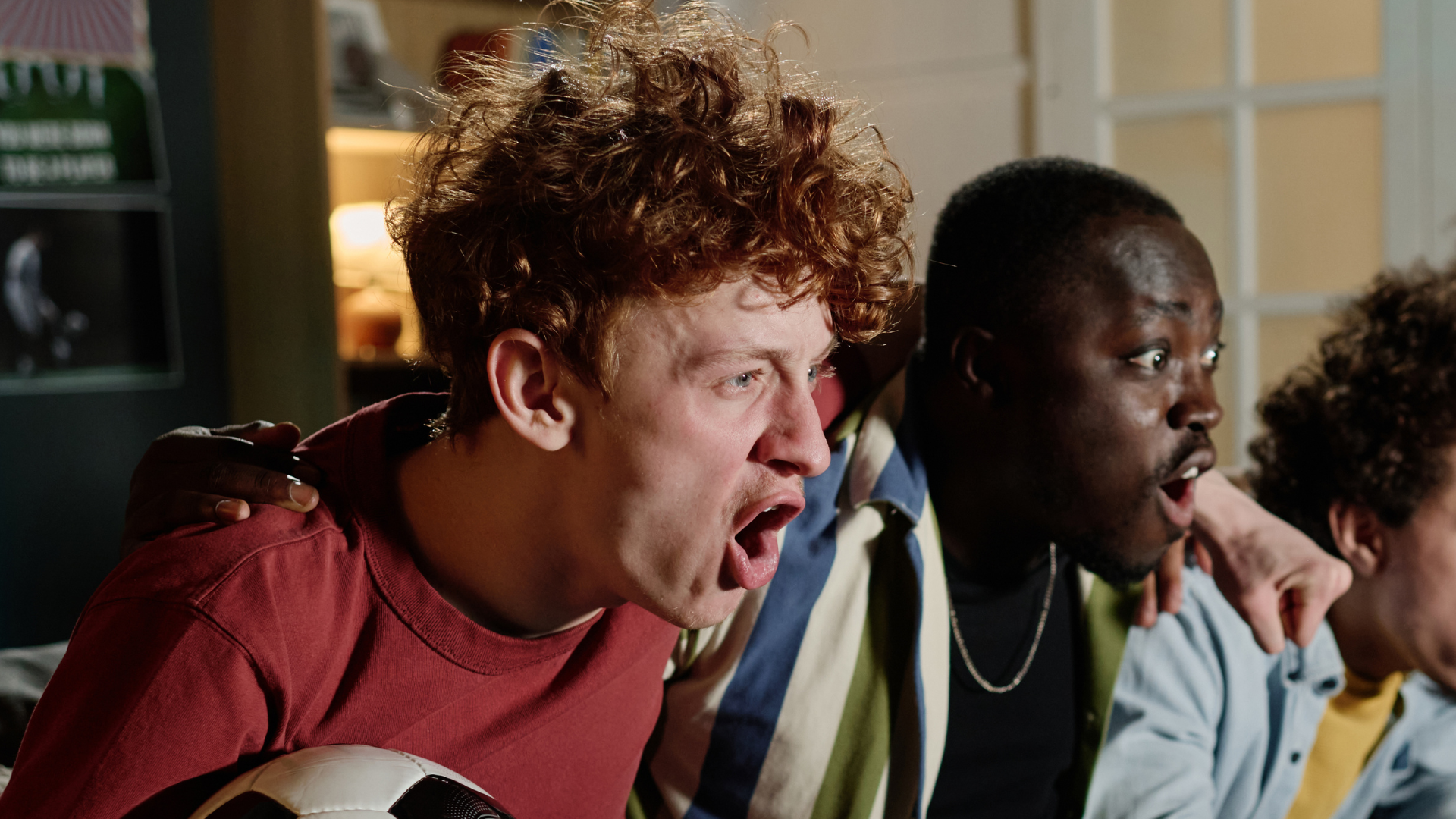

Every four years the FIFA World Cup stops the world. Billions of people tune in, conversations shift, offices empty during match hours, and for a few weeks, football becomes the only language that truly crosses borders.
But 2026 is different. Not just because of the scale, 48 teams, 104 matches, three host nations spanning the United States, Canada, and Mexico. It is different because of what is happening around the matches. In the spaces between the goals and the final whistles, a quieter but arguably more significant shift is taking place. The World Cup 2026 has just made podcasting an official part of the global sports media landscape. And nothing will look quite the same afterwards.
From Commentary Box to Creator Economy
For most of football’s broadcast history, the media hierarchy was clear. Television held the rights. Radio had the commentary. Print had the analysis. And digital was the afterthought, the place where highlights were uploaded after the fact for people who missed the match. That hierarchy is over.
YouTube has assembled a roster of 25 creators with a combined following of over 350 million subscribers to cover the FIFA World Cup 2026 as part of its official preferred platform partnership with FIFA. TikTok was selected by FIFA as the first ever preferred platform for video content at a men’s World Cup, with creators receiving special access across all 16 host cities including bus arrivals, training sessions, press conferences, and matchday events. And Gary Lineker, one of the most recognised voices in football broadcasting, has signed a deal with Netflix to host a daily World Cup podcast produced by Goalhanger Podcasts, featuring match analysis, special guests, and behind the scenes access.
Read that again. A daily podcast. On Netflix. For the World Cup. The commentary box has not disappeared. But it now has serious competition from a creator with a microphone and an audience that trusts him.
The Ad Dollars Are Following the Conversation
Where attention goes, money follows. And the money is moving. WARC projects the 2026 FIFA World Cup will inject a $10.5 billion boost to global ad spend. But rather than concentrating that spending around broadcast rights alone, brands are increasingly building campaigns across multiple touchpoints tied to fan engagement, with podcasts emerging as a key part of that strategy.
For sports podcasters this is not just an interesting trend. It is a structural shift in where the commercial value of sports media lives. The conversation around the game is now as valuable as the broadcast of it. And podcasters own that conversation in a way that no traditional broadcaster does.
Sports podcasts have been the fastest-growing podcast genre for three consecutive years. A mid-tier sports podcast with between 20,000 and 50,000 downloads per episode can realistically command between $3,000 and $8,000 per sponsorship slot during the World Cup window, with major sports, streaming, and apparel brands actively seeking podcast placements throughout the tournament.
The Fan Experience Has Changed
Beyond the business of it, something more human is happening. The way fans actually experience a major tournament has fundamentally shifted and podcasting sits right at the centre of that shift.
Research shows that content is no longer simply watched but experienced together, commented on, and remixed. Young fans in particular often follow several screens and feeds simultaneously, prefer highlights in short form clips, and discover sports through the perspectives of creators rather than traditional broadcast voices
What this means practically is that the post-match podcast is not supplementary content anymore. For millions of fans, it is the primary way they process what they just watched. The conversation between two hosts they trust, unpacking a controversial refereeing decision or a tactical shift that changed the game, is as much a part of the fan experience as the match itself.
Spotify data shows that sports podcast listening jumps 358% after games, outpacing pregame gains significantly and opening an advertising window that extends well beyond live television. That number says everything about where the fan relationship with sports media is actually living right now.
What This Means for Sports Podcasters
The World Cup 2026 is not just a football tournament. For the podcasting industry it is a proof of concept, a live demonstration at global scale that creator led audio and video content is not a niche supplement to sports media. It is a central pillar of it.
The creators and podcasters who understand this are not scrambling to cover the tournament. They are using it as a launchpad. The World Cup creates a moment of shared global attention that almost nothing else in culture can replicate. For a podcaster with a clear point of view, a loyal audience, and the discipline to show up consistently throughout the tournament, that moment of shared attention is the most powerful growth opportunity available right now.
The traditional sports broadcaster spent decades building the infrastructure to own the match. The sports podcaster has spent the last five years quietly building something the broadcaster never had. The relationship. The trust. The audience that comes back not just for the score, but for what you think about it. In 2026, that turns out to be worth quite a lot.
If you enjoyed this, check out “The New Rules of Podcast Monetisation: How Creators Are Getting Paid“.
